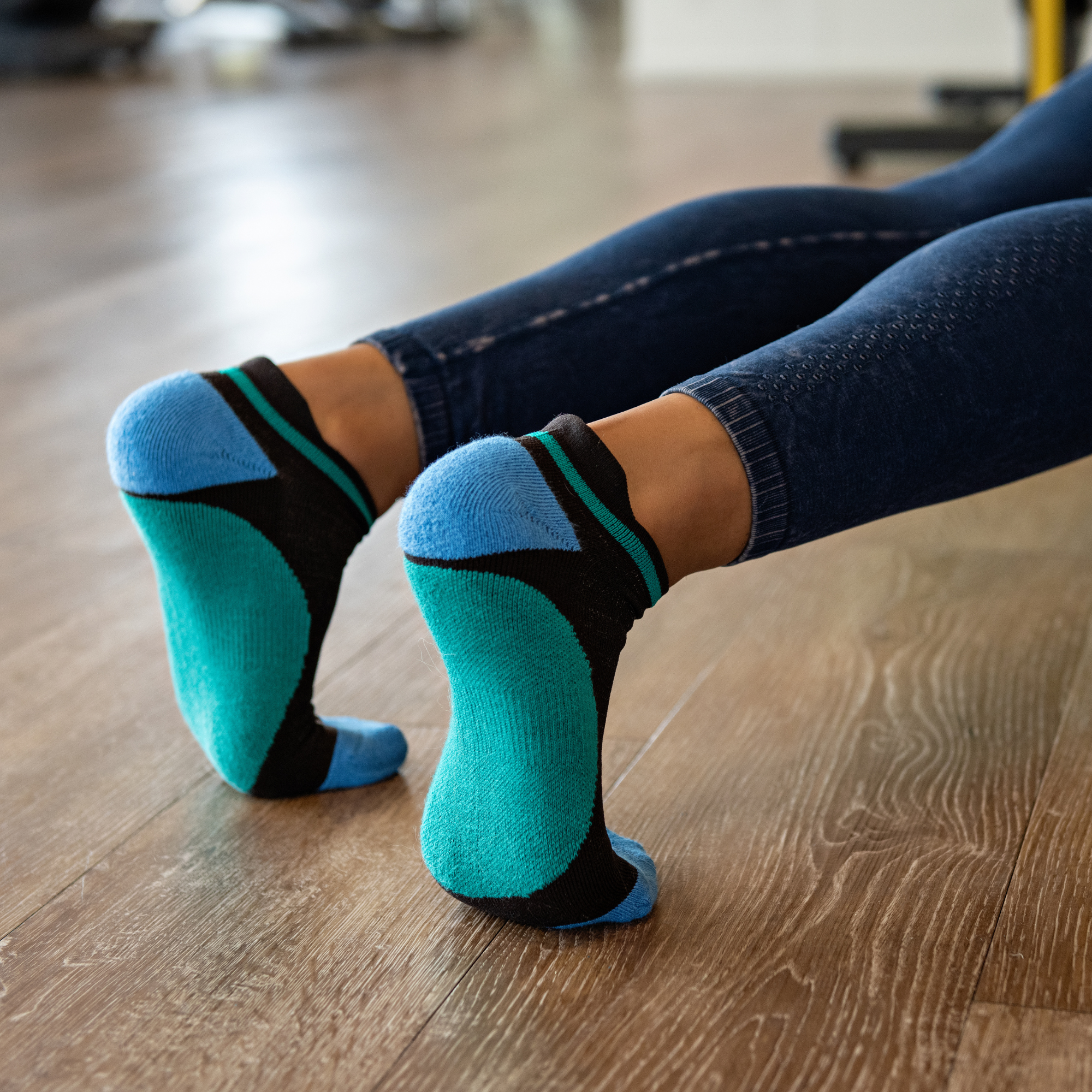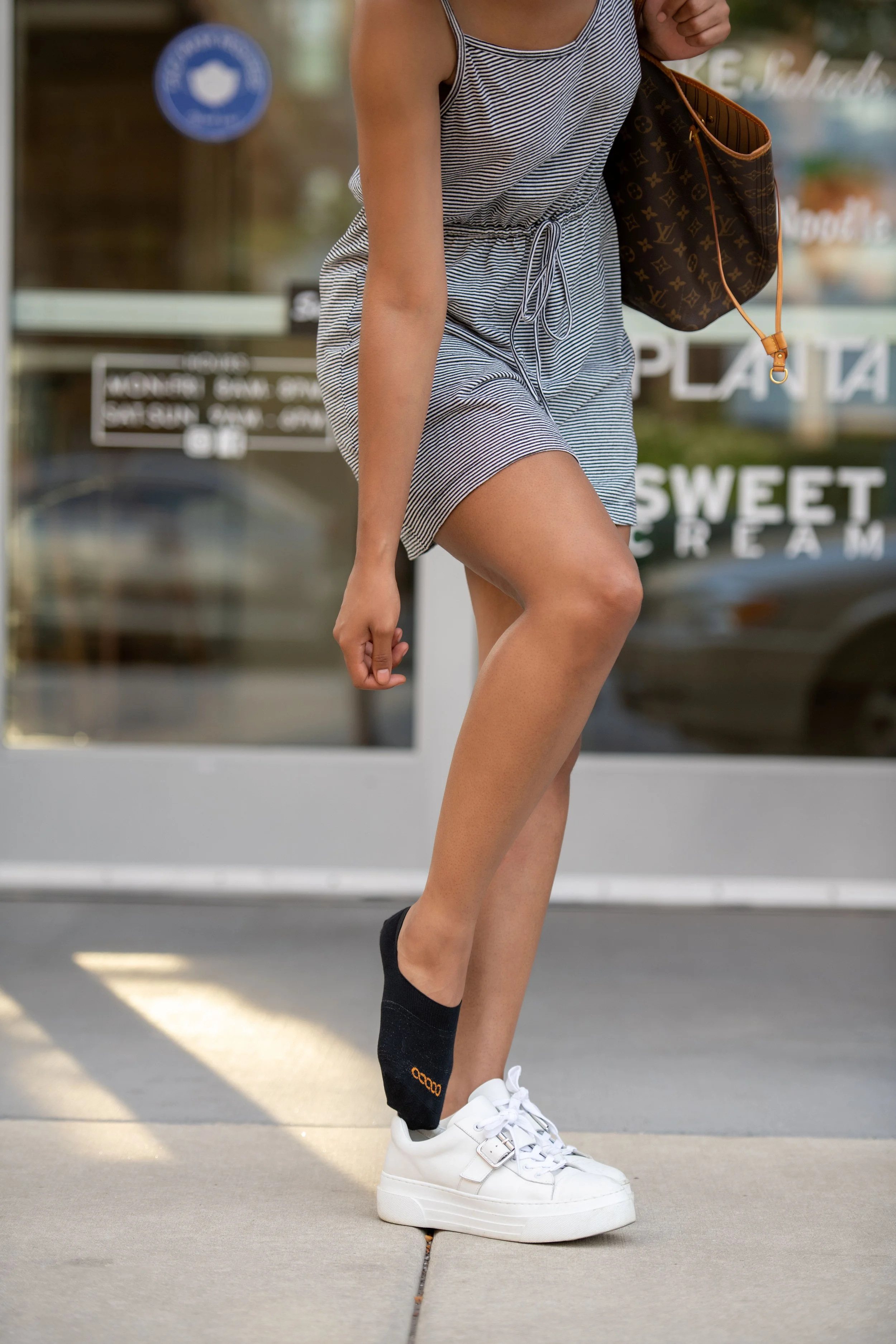
The power of silver fiber socks for odor control

Read more

Silver fiber socks, infused with the natural antimicrobial properties of silver ions, effectively combat foot odor by targeting its primary source: bacteria

Here's how they work:

1. Inhibiting bacterial and fungal growth

  • Sweat itself is odorless, but it creates a warm, moist environment where bacteria and fungi thrive.

  • These microorganisms break down sweat, oils, and dead skin cells, releasing malodorous chemical compounds as byproducts.

  • Silver ions, embedded in the sock fibers, inhibit the growth of these odor-causing bacteria and fungi.

  • Studies have explored different ways silver ions interfere with bacterial processes, including damaging cell membranes, disrupting DNA replication, and inhibiting protein synthesis. 

2. Neutralizing odor directly

  • By preventing the proliferation of odor-causing microbes, silver ions directly reduce the production of unpleasant smells.

  • This results in fresher feet throughout the day, even after prolonged wear or physical activity.

3. Enhancing foot hygiene

  • The antimicrobial properties of silver go beyond simply masking odors; they actively contribute to better foot hygiene by combating bacteria and fungi that can lead to various foot conditions.

  • This can be particularly beneficial for individuals with sensitive skin or those prone to infections like athlete's foot. 

4. Complementing moisture-wicking properties

  • In addition to their antimicrobial action, many silver fiber socks also incorporate moisture-wicking materials like cotton blends or wool to keep feet dry.

  • By reducing moisture accumulation, these socks further inhibit microbial growth and enhance overall foot comfort. 

In essence, silver fiber socks offer a multifaceted approach to odor control by directly targeting the source of the problem—the bacteria and fungi—and promoting a cleaner, drier foot environment. 

Read More

Benefits of moisture wicking socks in cold weather

Read more

1. Keep feet warm (by keeping them dry)

  • Wet feet = cold feet. Sweat trapped in cotton socks cools quickly and lowers foot temperature.

  • Moisture-wicking socks move sweat away, preventing heat loss and helping your feet stay warm inside boots.

2. Prevent blisters in layered footwear

  • Winter activities often involve thick boots. Damp socks inside snug boots increase friction → blisters.

  • Wicking fabrics reduce moisture buildup, lowering blister risk during long treks or ski sessions.

3. Improve overall comfort

  • Wicking socks balance insulation and dryness. Many winter socks use merino wool blends, which wick well, insulate even when damp, and feel soft against skin.

4. Reduce odor during multi-day use

  • In cold weather, you might wear the same gear multiple days. Wicking socks (especially merino) resist odor, making them more practical for trips and expeditions.

5. Support foot health

  • Damp, cold environments encourage fungal infections and skin breakdown. Moisture management keeps skin healthier.

6. Faster drying between uses

  • At camp or in a lodge, you can dry wicking socks much faster than cotton ones, which is critical for multi-day winter activities.

Read More

Coolmax® Polyester Socks vs. Cotton Socks for Sweaty Feet

Read more

When it comes to managing sweaty feet, the choice of sock material plays a crucial role in comfort and foot health. Here's a comparison between coolmax® polyester socks and cotton socks:

Coolmax® Polyester Socks

  • Material: Typically made from synthetic fibers like polyester, nylon, or blends with elastane.

  • Moisture Management: Designed to pull sweat away from the skin to the sock’s outer layer, allowing faster evaporation.

  • Breathability: High breathability helps keep feet dry and reduces the risk of blisters, fungal infections, and odor.

  • Durability: Often more durable and resistant to wear compared to cotton.

  • Performance: Ideal for athletic activities, long hours of wear, or any situation where feet are prone to sweating.

Cotton Socks

  • Material: Made from natural cotton fibers.

  • Moisture Management: Cotton absorbs sweat but tends to retain moisture, which can lead to damp, uncomfortable feet.

  • Breathability: Breathable but less effective in wicking moisture away from the skin.

  • Durability: Generally softer but can wear out faster when exposed to heavy use and sweat.

  • Performance: Suitable for casual wear or light activities but less effective for managing sweaty feet.

For individuals with sweaty feet, coolmax® polyester socks are generally the better option. They help keep feet dry, comfortable, and reduce the risk of skin problems associated with prolonged moisture. Cotton socks may feel softer initially but can worsen discomfort by trapping sweat against the skin. Choosing coolmax® polyester socks optimizes foot hygiene and overall comfort, especially during physical activities or in warm environments.

Read More

Benefits of Moisture Wicking Socks for Hot Weather and Sweaty Feet

Read more

Moisture-wicking socks are especially helpful in hot weather and for people who deal with sweaty feet. Here are the main benefits:

1. Keep feet dry

  • Moisture-wicking fabrics (like merino wool, polyester blends, or bamboo) pull sweat away from the skin and help it evaporate, instead of soaking into the sock.

  • Drier feet mean less discomfort and reduced risk of blisters.

2. Reduce odor

  • Sweat itself doesn’t smell, but when it lingers on skin or in damp fabric, bacteria thrive. Wicking socks dry faster, making it harder for odor-causing bacteria to multiply.

  • Some are treated with antimicrobial silver fiber yarn or made of naturally odor-resistant fibers.

3. Improve comfort in heat

  • By drawing sweat away and allowing airflow, they help regulate temperature, keeping feet cooler compared to cotton socks that trap heat and moisture.

4. Prevent blisters and chafing

  • Excess moisture softens skin and increases friction inside shoes. Wicking socks minimize this, lowering blister risk during walking, running, or long days on your feet.

5. Support foot health

  • Constantly damp feet can lead to fungal infections (like athlete’s foot). Moisture-control socks help lower that risk by keeping the environment drier.

6. Faster drying & durability

  • Wicking socks usually dry quicker after washing or sweating, making them more practical for travel, workouts, or hot climates.

  • Many are engineered for durability, with reinforced areas to withstand heavy use.

Read More

Socks made with silver fiber yarn inhibit the growth of bacteria and eliminate odor

read more

1.     Antibacterial and Antifungal Properties: Silver has natural antimicrobial properties that help inhibit the growth of bacteria and fungi. These properties make silver fiber yarn an excellent choice for socks as it can help prevent foot odor, bacterial and fungal infections, and maintain better foot hygiene.

2.     Odor Control: Bacteria and fungi thrive in moist environments, such as sweaty feet. By incorporating silver fiber yarn into socks, the growth of odor-causing bacteria is inhibited, resulting in reduced foot odor. The antimicrobial properties of silver help neutralize and control unpleasant smells, keeping your feet fresher for longer periods.

3.     Moisture Management: Silver fiber yarn in socks also contributes to effective moisture management. It helps to wick away moisture from your skin, keeping your feet drier and more comfortable during physical activities. By reducing moisture accumulation, silver fiber yarn can help minimize the risk of blisters, skin irritation, and discomfort.

4.     Enhanced Hygiene: Silver fiber yarn provides an added layer of cleanliness and hygiene to your socks. It helps to inhibit the growth of bacteria and fungi, reducing the likelihood of foot infections such as athlete's foot. Socks made with silver fiber yarn can be particularly beneficial for individuals with sensitive skin or those who are prone to skin infections.

5.     Durability and Longevity: Silver fiber yarn is known for its durability and long-lasting performance. It can withstand repeated washes without losing its antimicrobial properties or effectiveness. Socks made with silver fiber yarn tend to be more durable and resistant to wear and tear, ensuring that they last longer and maintain their antimicrobial benefits over time.

6.     Allergy-Friendly: Silver is hypoallergenic, making socks with silver fiber yarn suitable for individuals with sensitive skin or allergies to certain materials. These socks are less likely to cause skin irritation or allergic reactions, providing a comfortable and irritation-free experience.

7.     Eco-Friendly: Silver fiber yarn is often produced using sustainable practices and can be considered more environmentally friendly compared to certain chemical treatments used in other antimicrobial sock options. This makes silver fiber yarn a preferred choice for those seeking sustainable and eco-conscious products.

It's worth noting that while silver fiber yarn can offer various benefits, the overall effectiveness may vary depending on factors such as the concentration of silver in the yarn and the specific manufacturing process. It's important to consider other sock features as well, such as moisture-wicking, cushioning, and fit, when choosing the most suitable socks for your needs.

 High-Performance, silver fiber exercise socks can be found at www.agogoactive.com. Agogo Active Wear Inc.

no stink odor control socks made with silver fiber yarn

Read More